
Transportation Industry Solutions
Jump to:
Team Collaboration | Network Infrastructure | Audio/Video | Security
Jump to:
Team Collaboration | Network Infrastructure | Audio/Video | Security
We provide unified, comprehensive, scalable, and customizable security solutions designed for companies that move people and goods throughout Pennsylvania.

We have what you need to keep your transportation spaces ahead of the game. Fill out the form below and we’ll be in touch.
Meeting Key Security Challenges
From airports and railways to logistics hubs and public transit systems, the transportation industry operates in complex, high-risk environments. These systems are built for openness and accessibility, yet must be protected from threats like theft, fraud, vandalism, smuggling, and terrorism. At the same time, operators must manage high passenger volumes, distributed assets, and multiple entry points – without disrupting daily operations.
Maintaining safety, efficiency, and reliability requires more than standalone solutions. Legacy systems with limited integration create vulnerabilities that impact security, revenue, and continuity. A modern approach built on integrated, intelligent technology helps transportation organizations strengthen security, streamline operations, and enhance the passenger experience without sacrificing performance.
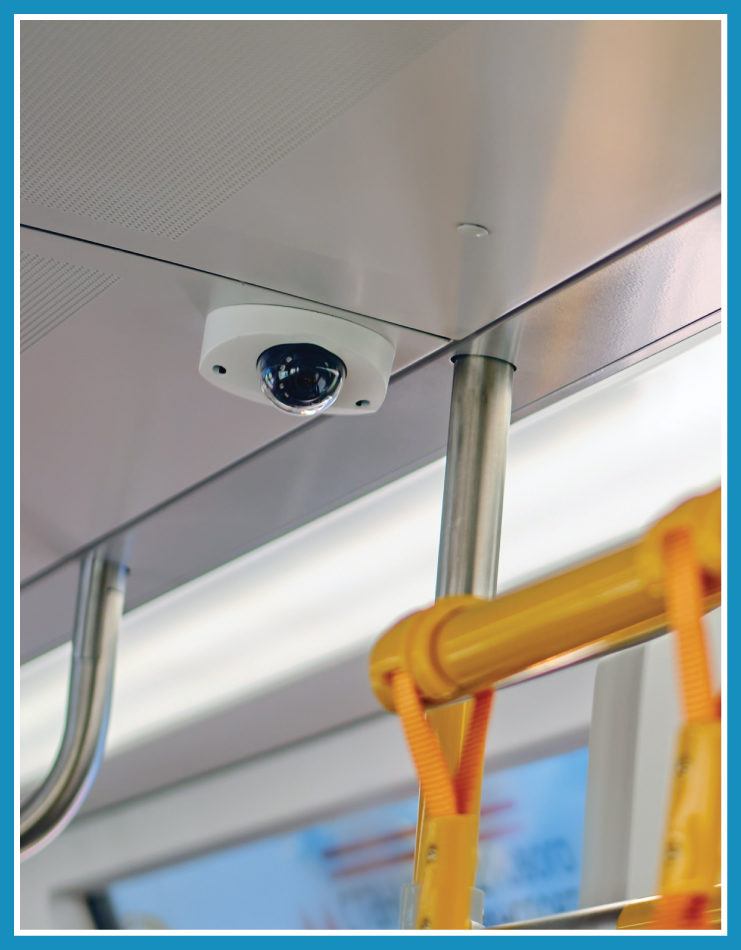
Integrated Security Systems for Transportation
We design and deploy layered security solutions that unify video surveillance, access control, and real-time monitoring into a single, centralized platform.

Advanced Video Surveillance
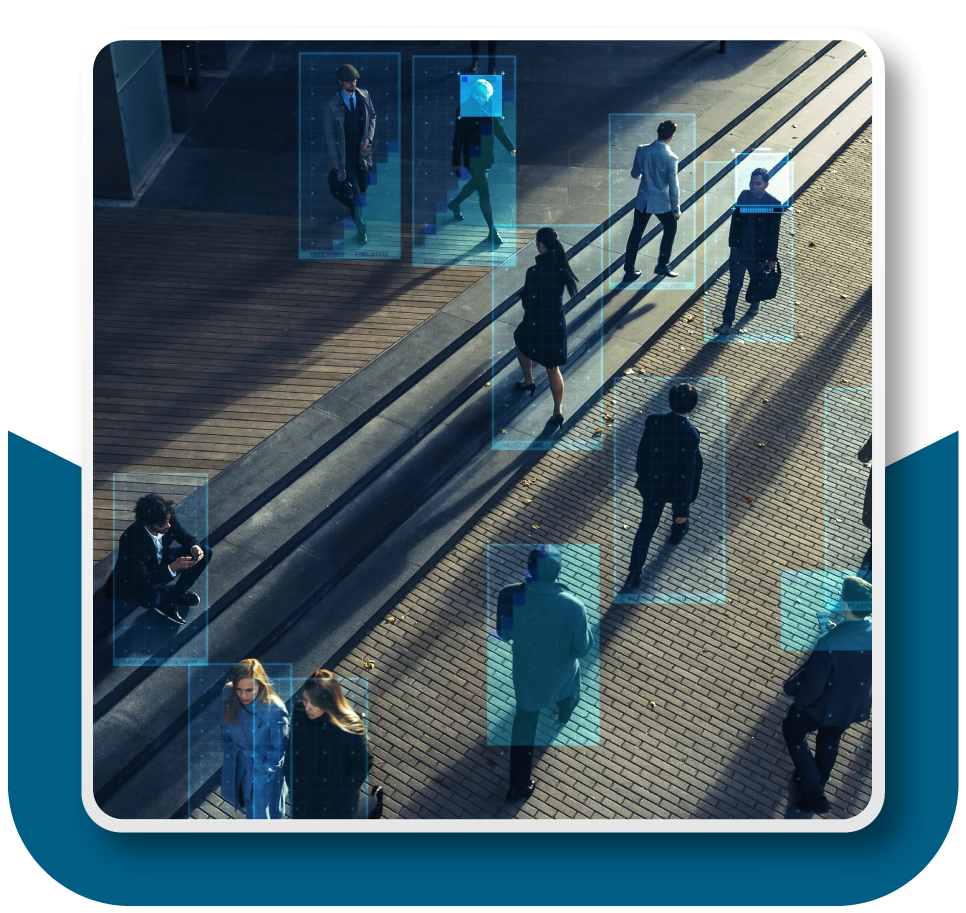
IP-based surveillance systems deliver continuous visibility across stations, vehicles, terminals, and perimeters. High-definition cameras perform in low light and harsh conditions, while intelligent analytics deter suspicious behavior, monitor crowd flow, and trigger real-time alerts. Integrated video management systems (VMS) enable operators to monitor, search, and manage video, audio, and data from one interface – improving both security and operational insight.
Access Control & Credentialing
Securing restricted areas is critical. Modern access control systems enable credential-based entry, mobile access, and centralized management across facilities. Operators can quickly lock down specific areas during emergencies while maintaining convenient, secure access for staff and authorized personnel.

Perimeter & Intrusion Detection
From rail yards to airport boundaries, intrusion detection systems identify unauthorized access in real time – especially in large or remote areas. These technologies enhance situational awareness and enable faster, more proactive responses.
From Reactive to Predictive Security
Today's transportation security is data-driven and proactive. By integrating systems and leveraging real-time intelligence, your organization can:
Identify risks before they escalate
Improve coordination with emergency responders
Reduce operational disruptions
Enhance passenger safety and confidence
Protect goods from theft and damage
A unified security platform ensures consistent protection across your entire network – from major hubs to remote access points – while enabling faster, more informed decision-making.
Ready to modernize your transportation security?
Talk to our experts about upgrading your legacy systems.
Communication Solutions: A Better Experience for Every Journey – and Every Shipment
Intelligent contact centers are a must-have business essential these days. From routine inquiries to unexpected disruptions, a modern contact center helps ensure every interaction, whether moving people or goods, is handled with clarity, efficiency, and care.
Smarter Communication Starts Here
Modern transportation operations depend on fast, reliable communication – especially when passengers need real-time updates or support. Cloud-based contact center solutions enable agencies to centralize customer interactions across voice, email, chat, and SMS into a single, unified platform. This omnichannel approach ensures passengers can reach support through their preferred method while giving agents full visibility into every interaction for faster, more informed responses. With cloud and hybrid deployment options, modern contact center platforms make it easy to scale across multiple terminals, hubs, or regions without major infrastructure changes. Whether supporting a local transit system or a large, multi-site operation, our solutions adapt to your evolving needs while maintaining consistent, high-quality service.
We offer various intelligent contact center solutions. Check out this one by Intermedia.
Built for High-Volume, Time-Sensitive Environments
Transportation providers often face surges in inquiries due to delays, cancellations, or service changes. Intelligent routing, automated workflows, and skills-based call distribution help ensure each inquiry reaches the right agent quickly. At the same time, real-time dashboards and analytics provide supervisors with the insights needed to adjust staffing, monitor performance, and maintain service levels – even during peak demand.

Supporting Cargo & Freight Operations
Beyond passenger services, contact center solutions play a critical role in cargo and freight transportation. Shippers, carriers, and logistics partners rely on timely updates regarding shipment status, routing changes, customs clearance, and delivery confirmations. A centralized communication platform allows teams to manage these interactions efficiently, ensuring stakeholders receive accurate, real-time information. Integration with logistics and tracking systems further enhances visibility, enabling agents to quickly resolve issues, reduce delays, and keep supply chains moving smoothly.
AV Solutions for the Transportation Industry
Transportation organizations can streamline operations and significantly improve the traveler experience through modern AV solutions. Real-time information displays reduce congestion, coordinated announcements improve response times, and engaging visual content enhances the overall environment. The result is a smarter, more connected transportation facility: where passengers stay informed, staff stay in control, and operations run more efficiently from arrival to departure.
Digital Signage & Visual Display Systems
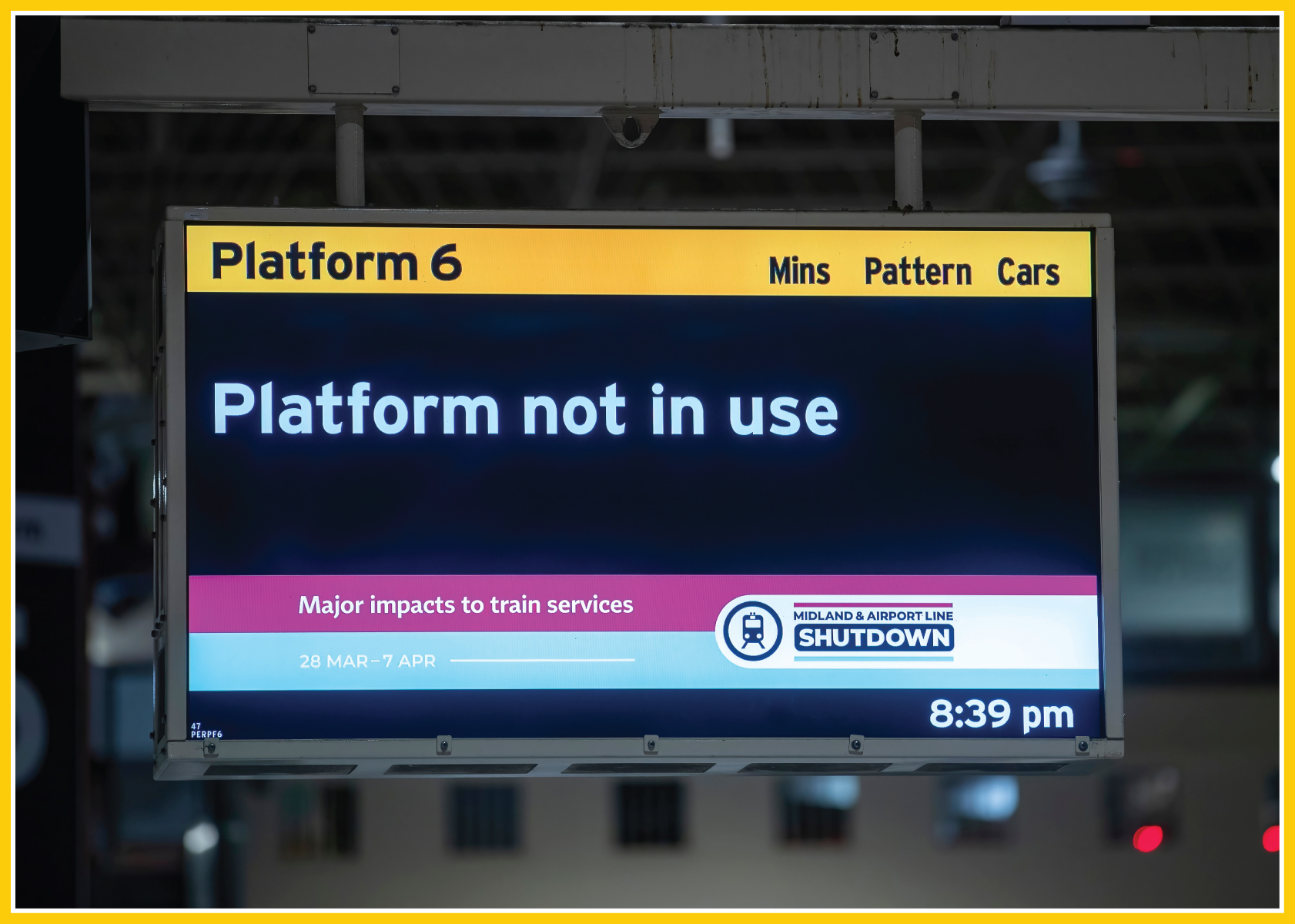
High-impact digital signage plays a critical role in guiding passengers and sharing timely information. The solutions we design support everything from flight and schedule displays to interactive kiosks and large-format video walls. Durable, weather-rated displays and kiosks ensure reliable performance even in demanding transit environments. These systems are designed for high visibility in bright our outdoor environments and can display real-time arrival/departure information, emergency alerts, advertising, and wayfinding content – all from a centralized platform.
Across every type of transportation environment, video walls, digital displays, and interactive technologies play a critical role in delivering timely information, improving safety, and enhancing both passenger and operational experiences. Call us or email us to learn more about the tailored solutions we offer.
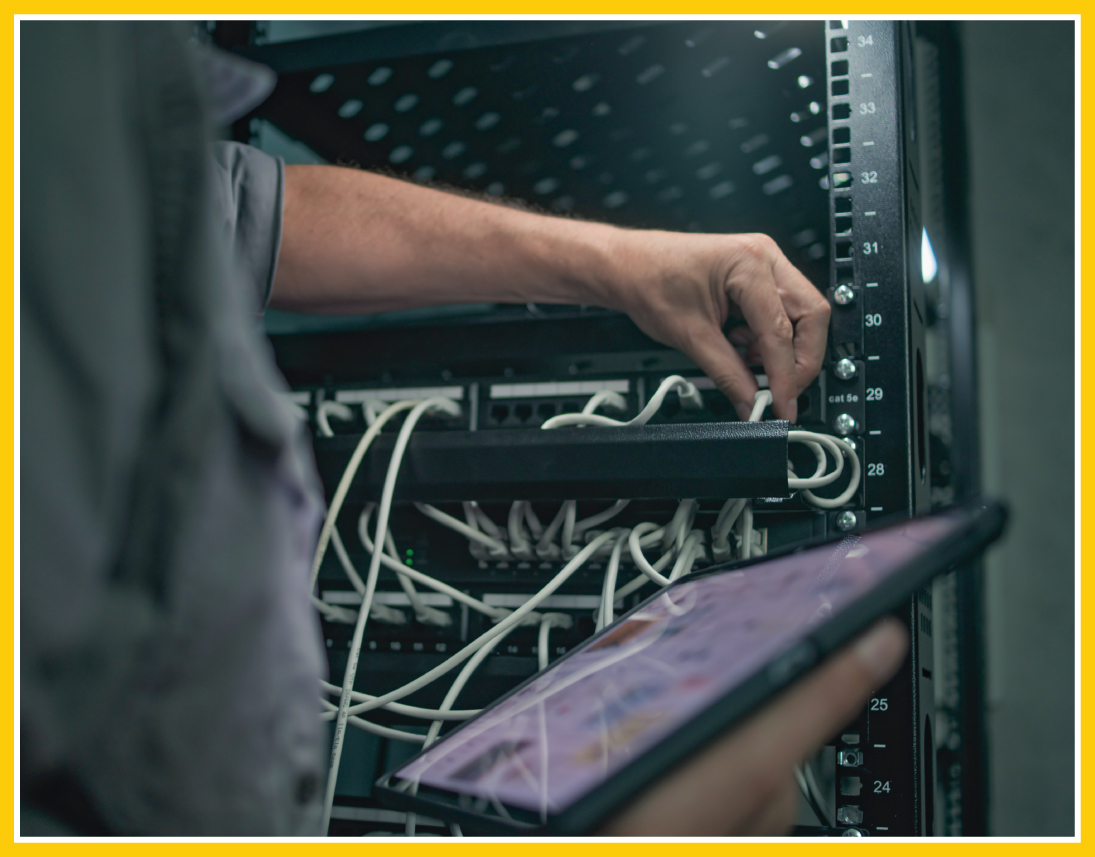
Cabling Network Infrastructure for the Transit Industry
Behind every display, camera, access control point, and communication platform is a reliable cabling infrastructure. It's the backbone for all your connected systems. In transportation environments, these networks must support high data volumes, real-time communication, and continuous operation across expansive facilities. From terminals and platforms to control rooms and remote sites, a strong foundation is essential to keep systems running smoothly.
Common Challenges
Many transportation facilities face challenges with outdated or fragmented cabling systems. Legacy infrastructure often struggles to support modern technologies like IP-based video, digital signage, Wi-Fi, and unified communications. Limited bandwidth, poor scalability, and lack of standardization can lead to downtime, delayed information, and increased maintenance costs. Environmental factors also play a role. Cabling in transportation settings must withstand temperature fluctuations, vibration, moisture, and heavy daily use – especially in outdoor or industrial areas like rail yards, bus depots, and ports. Without proper design and installation, these conditions can quickly degrade performance.
Designed for Performance, Scalability, and Reliability
A well-designed structured cabling system ensures the network can support today's demands while preparing for future growth. This includes high-performance copper and fiber solutions, organized pathways, and proper segmentation to support multiple systems – from AV and security top operations and communications. By standardizing your infrastructure and building in scalability, we help you more easily adopt new technologies, expand to additional locations, and avoid costly rework down the line.
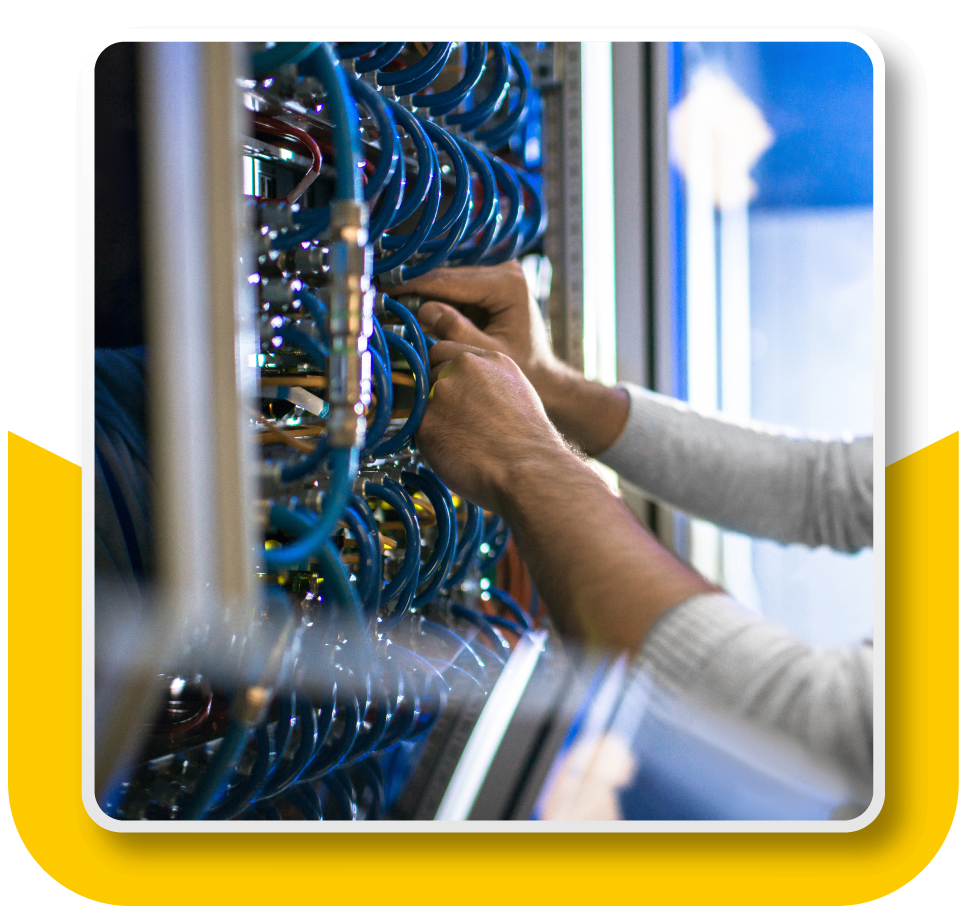
We specialize in designing and installing cabling infrastructure for both new construction projects and existing facilities. For new builds, we collaborate with developers, engineers, and contractors to ensure the network is planned and implemented correctly from day one. For organizations working with aging infrastructure, we assess current systems and develop a strategic upgrade path – minimizing disruption while modernizing the network to support today's connected technologies. Contact us today to discuss your cabling needs.
Contact Us
Fill out the form, give us a call, or send us an email!
An Empire expert will be in touch with you.
1215 16th St • Altoona, PA 16601